

The Benefits of Iodine, Side-Effects, and More!
11th Sep 2023
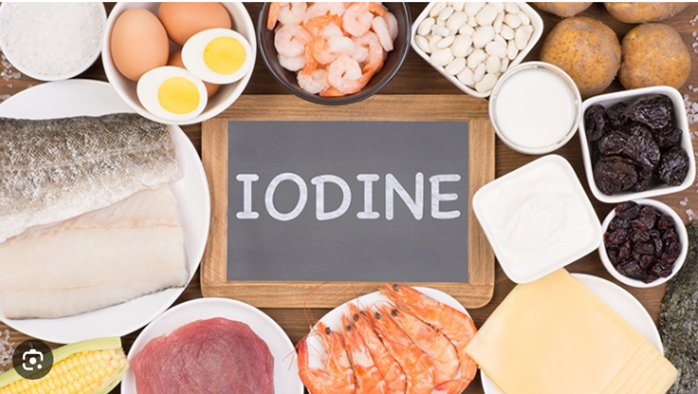
Iodine is a vital mineral that plays a
significant role in maintaining overall health, yet
many people remain unaware of its importance. This essential element is
primarily associated with thyroid health, but its benefits extend far beyond
that. In this blog, we will explore the various advantages of iodine, potential
side effects, and its role in promoting well-being.
The Importance of Iodine:
1. Thyroid Health: Iodine is a crucial component of thyroid hormones,
such as thyroxine (T4) and triiodothyronine (T3). These hormones regulate
metabolism, body temperature, and energy production. Without sufficient iodine,
the thyroid gland cannot function optimally, leading to thyroid disorders like
hypothyroidism or goiter.
2. Cognitive Function: Adequate iodine levels are essential for proper brain development, especially during pregnancy and infancy. Iodine deficiency during these periods can result in intellectual disabilities and developmental delays.
3. Immune System Support: Iodine has natural antibacterial, antiviral, and antifungal properties. It can help protect the body against infections and support the immune system's overall function.
4.
Detoxification:
Iodine helps the body detoxify by facilitating the removal of heavy metals and
other toxins. It aids the liver and kidneys in their essential detox functions.
Also, Iodine may help with various conditions, including:
• Estrogen dominance
• Heavy periods
• Fibrocystic breasts
• Ovarian cysts
• Endometriosis
• Fibroids
• Prostate enlargement
• PCOS
• Cystic acne
• TB
• Croup
• Asthma
• Toenail fungus
• Warts and skin tags
• Thyroid conditions
• Weight gain
• Brain fog
• Feeling cold (excessively)
• Dry skin and hair
• Constipation
•
Depression
Top causes of iodine deficiency:
• Consuming excessive amounts of raw cruciferous vegetables
• Consuming millet, soy, or sweet potatoes
• The vegan diet
• Pregnancy and lactation
•
Low-salt diets
• Fluoride
•
Bromide
• Perchlorate in water
• Nitrates
Sources of Iodine:
● The
human body does not produce iodine naturally, so it must be obtained through
diet or supplements. Here are some common sources of iodine:
Iodized Salt: Many table salts are iodized, which means iodine is added to
prevent deficiencies.
● Seafood: Fish, shellfish, and seaweed is rich in iodine. Kelp and nori are particularly high in this mineral.
● Dairy Products: Milk, cheese, and yogurt can be good sources of iodine.
● Eggs: Eggs also contain iodine.
● Supplements:
Iodine supplements are available over the counter, but it's essential to
consult with a healthcare professional before taking them to avoid excessive
intake and get the correct oral version.
Potential Side Effects and Risks:
While iodine is essential for health, too
much of it can lead to adverse effects. Here are some potential side effects
and risks of excessive iodine intake:
● Thyroid
Dysfunction: Excessive iodine can lead to hyperthyroidism, where the thyroid
becomes overactive, causing symptoms like rapid heartbeat, weight loss, and
anxiety.
● Thyroiditis: High doses of iodine can sometimes trigger thyroiditis, which is an inflammation of the thyroid gland.
● Digestive Issues: In some cases, excessive iodine can cause gastrointestinal symptoms like nausea, vomiting, and diarrhea.
● Allergic Reactions: Allergic reactions to iodine are RARE says Dr. Berg, as being allergic to iodine is mostly unheard of. However, may occur in sensitive individuals.
Recommended to take:
Lugol's Solution of Iodine 2% - 2oz
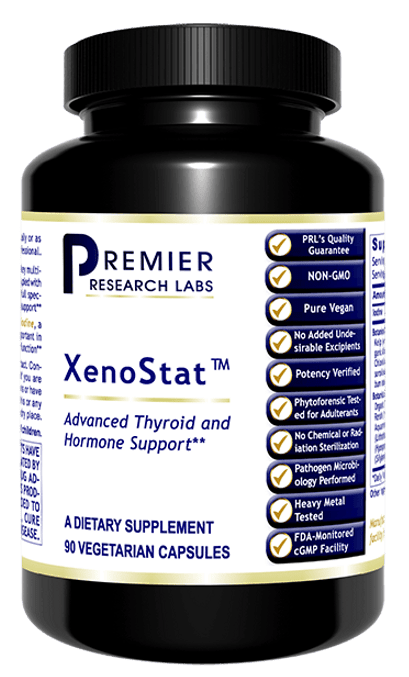
XenoStat™ - Natural source iodine complex - thyroid support - detoxes xeno-estrogens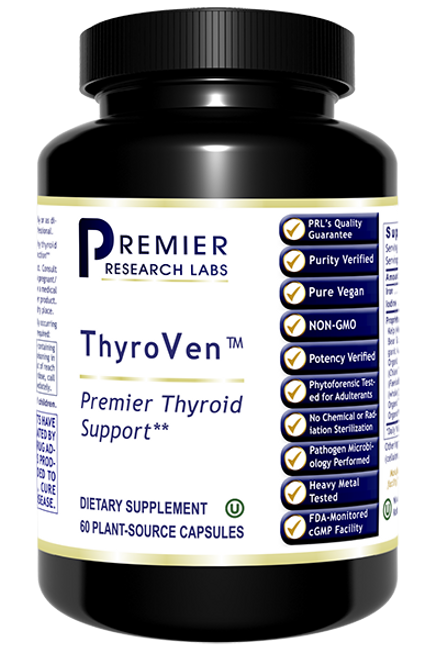
ThyroVen™ - Herbal thyroid formula - ideal support for thyroid metabolism & detox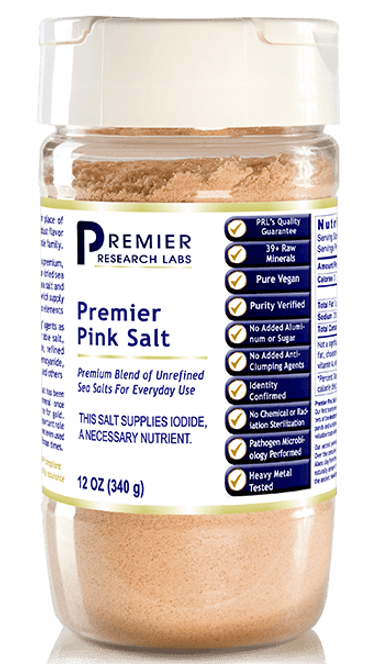
Pink Salt, Premier Salt Blend 12 oz (340 g) Premium Blend of Unrefined Sea Salts with Hawaiian Volcanic Clay
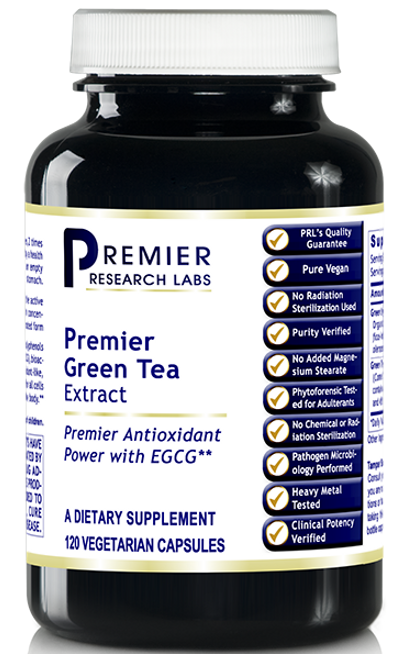
Green Tea Extract, Premier D3+K2 - From Premier Research Labs (PRL)
There is an easy simple do at home skin test
to see if you are depleted of Iodine. Please email Marion@DirectionithPurpose.com